The Role of Luck in Casino Games
Luck plays a crucial role in shaping the overall experience of gambling at casinos. When players step into a casino, they engage with games that are inherently unpredictable and filled with opportunities. For instance, the excitement of games such as slots, roulette, and even card games like blackjack is heavily reliant on chance, meaning that outcomes can swing dramatically within moments. In fact, many players often seek information on strategies and tips, such as those available at carbodyrepairshopbristol.co.uk , to enhance their gaming experience. This unpredictability is precisely what attracts many individuals to the casino environment; the thrill of potentially hitting a jackpot or achieving a perfect hand creates an exhilarating atmosphere that keeps players engaged and coming back for more.
Understanding that luck is a dominant factor does not imply that players should disregard strategy entirely. Some games, particularly those involving cards, allow for skillful decision-making, where players can enhance their odds through knowledge and experience. For instance, in blackjack, players can employ strategies based on probabilities to make informed decisions that could lead to more favorable outcomes. Nevertheless, the element of chance can often override any strategy employed, making the success of any session a blend of both skill and serendipity, which in turn generates an emotionally charged experience that compels players to return time and again.
The psychological impact of luck is substantial. Players frequently attribute their winnings or losses to luck, leading to various emotional responses. When a player experiences a winning streak, they often feel invincible, leading to larger bets and a heightened sense of excitement. Conversely, a losing streak can dampen spirits and lead to frustration or even desperation. This emotional rollercoaster, driven by luck, fundamentally shapes a player’s overall casino experience, making each visit unique and memorable. The anticipation built around the concept of luck can make every spin, roll, or hand dealt feel like a life-changing moment, contributing to the allure of the gambling world.
The Perception of Luck Among Players
The perception of luck among casino players is as diverse as the individuals themselves. For some, luck is viewed as a mystical force guiding their play, influencing their decisions and outcomes in ways they cannot control. They might have personal beliefs or rituals—such as wearing a lucky shirt or playing specific machines—that they believe enhance their chances of winning. This belief system can provide comfort and a sense of control, even amidst the randomness inherent in gambling, as it gives a deeper meaning to their experience of risk-taking.
Conversely, others adopt a more analytical approach, recognizing that while luck does play a role, they place greater emphasis on probability and odds. This analytical perspective may involve studying game mechanics and strategizing gameplay, such as knowing when to hit or stand in blackjack or recognizing patterns on the roulette wheel. While this method can help improve a player’s odds, the ever-present element of luck serves as a reminder that no strategy can guarantee success, maintaining the excitement of chance. This dichotomy between belief and strategy reveals the complexity of the gambling mindset and how players navigate their experiences.
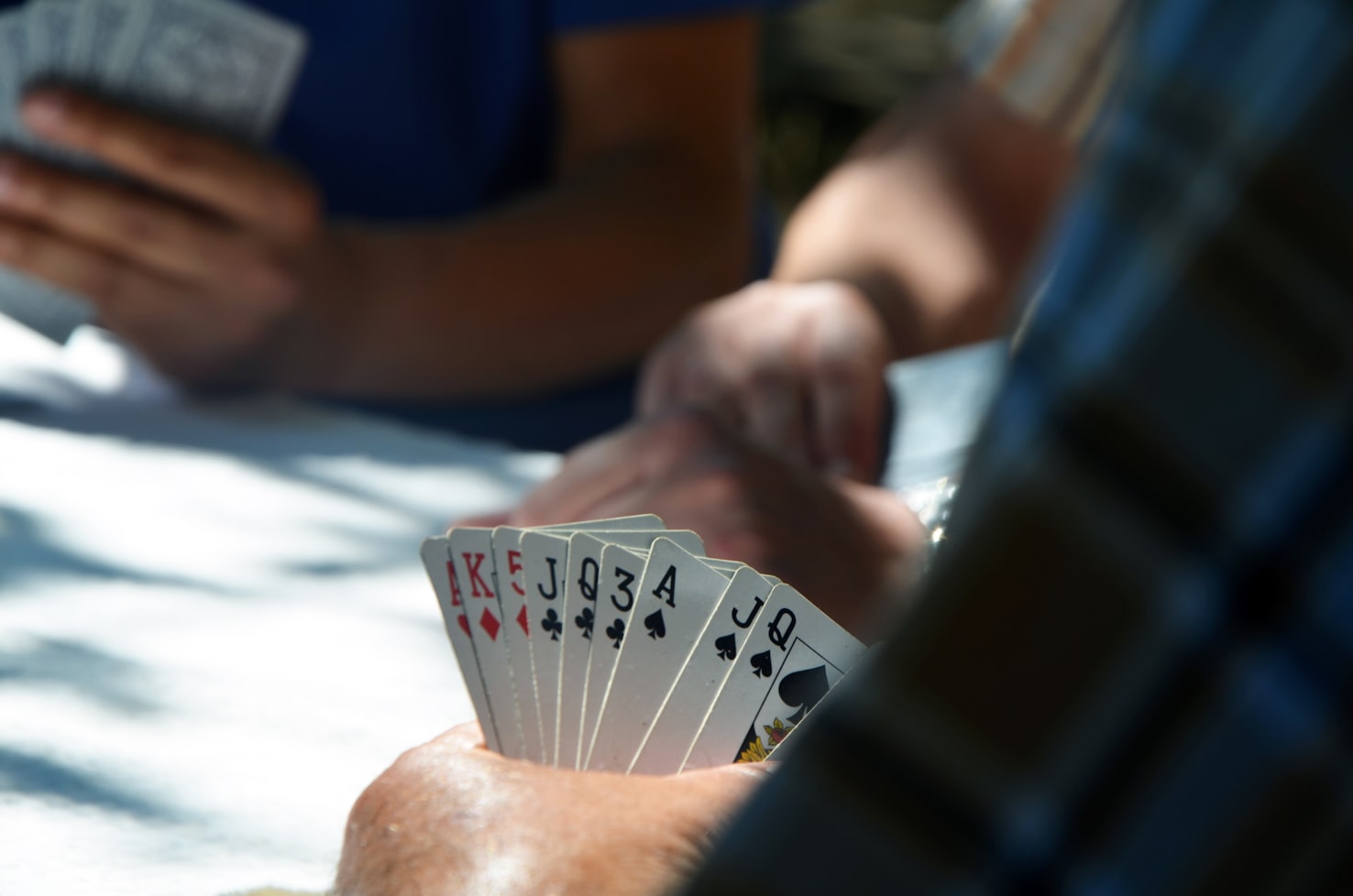
Additionally, the communal aspect of luck in casinos cannot be overlooked. Players often share stories of wins and losses, fueling a culture where luck is celebrated and exchanged. This social dynamic creates an atmosphere filled with hope and anticipation, as players root for each other and share in the emotional highs and lows. This sense of community centered around luck adds another layer to the casino experience, transforming it from a solitary endeavor into a shared journey among strangers united by the thrill of chance. The narratives woven through these interactions deepen players’ connections to the games and to each other, enhancing the overall atmosphere of excitement and camaraderie.
The Influence of Luck on Betting Strategies
When engaging in casino games, the influence of luck often compels players to reevaluate their betting strategies. Many players start with a tactical approach, aiming to maximize their chances of winning based on statistical analysis. However, faced with the unpredictable nature of games, players may adjust their strategies based on perceived luck. For instance, a player experiencing a losing streak might begin to increase their bets, hoping for a turn of fortune, while another may decide to play more conservatively when feeling unlucky. This fluidity in strategy demonstrates how luck can shift a player’s mindset and approach to gambling.
In contrast, players might choose to adopt cautious strategies when they sense that luck isn’t on their side. This could involve betting smaller amounts or opting for less volatile games, allowing them to focus on enjoying the experience rather than chasing losses. These strategic choices directly reflect the player’s interpretation of luck at any given moment, illustrating the precarious balance between calculated betting and the uncertainty of outcomes. Such decisions highlight the dynamic nature of gambling, where the perception of luck can dramatically shift a player’s approach to betting, affecting not just immediate choices but also long-term gambling habits.
Moreover, the concept of “gambler’s fallacy” frequently comes into play in relation to luck, where a player mistakenly believes that past outcomes influence future results. For example, if a roulette wheel has landed on red several times consecutively, a player might feel that black is “due” to hit, prompting them to bet heavily on it. This misconception, driven by luck-based thinking, underscores how perceptions of luck can skew decision-making in gambling contexts, often leading to unexpected and sometimes detrimental results. Understanding these cognitive biases can help players become more aware of their decision-making processes and potentially improve their overall gambling experience.
Emotional Responses to Luck in Gambling
The emotional responses provoked by luck in gambling can vary widely, encompassing feelings from euphoria to despair. Winning, particularly in the form of a significant payout, can induce a rush of adrenaline and happiness, often described as a euphoric state. This high can be addictive, drawing players back to the casino in hopes of replicating that exhilarating feeling. The emotional highs associated with winning can foster a vibrant atmosphere, as players celebrate their fortunes together, creating a shared sense of joy and excitement that enhances the overall experience of the casino environment.
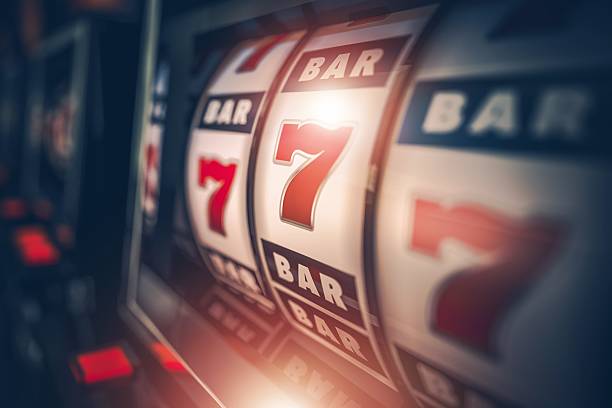
Conversely, losses can lead to negative emotional experiences. The thrill of the game can quickly transform into frustration or disappointment, especially if players feel that bad luck is persistently haunting them. This emotional volatility can lead some individuals to chase their losses, gambling more in hopes of recouping what they have lost. Such behavior highlights the intricate connection between luck and player psychology, as emotions can heavily influence decision-making in gambling contexts. The highs and lows experienced in gaming can define a player’s relationship with gambling, shaping their future choices and experiences.
Recognizing these emotional responses, casinos often design their environments to enhance the highs and mitigate the lows experienced by players. The use of bright lights, engaging sounds, and celebratory announcements during winning moments amplifies the joy associated with luck. Conversely, efforts are made to handle losses sensitively, with staff trained to provide support to players who may seem distressed. Understanding the psychological and emotional elements involved in gambling helps create a more profound casino experience for everyone, ensuring that both the highs and lows are addressed with care. This careful curation of the casino atmosphere can significantly influence how players perceive their luck and overall experience.
Discovering Your Luck at Online Casinos
As online casinos gain popularity, the concept of luck adapts to fit the digital landscape. Players engage in virtual games that rely just as heavily on chance as their physical counterparts. However, the online experience often lacks the same immediate social interaction that can impact perceptions of luck. Instead, players may find themselves relying on intuition and personal beliefs about luck to guide their online gaming decisions, leading to a more individualized experience that can be both empowering and isolating.
Despite the differences, luck remains an integral factor in online casinos. Random number generators ensure that outcomes are randomized, maintaining the essence of chance that characterizes traditional casino games. This technology helps build trust in the randomness of outcomes, allowing players to feel a sense of fairness even in a virtual setting. However, the absence of physical presence might lead players to develop stronger personal beliefs about luck, such as favoring specific times to play or selecting games based on perceived luckiness. This personal relationship with luck can significantly shape the online gambling experience.
Furthermore, online platforms often incorporate gamification elements that can amplify the perceived impact of luck. Bonuses, promotions, and reward systems may enhance feelings of winning, making every session feel more engaging and exciting. As players explore these virtual environments, their understanding and experience of luck evolve, creating unique gaming moments that can be just as thrilling as those experienced in brick-and-mortar casinos. With continuous advancements in technology, the exploration of luck within gaming environments is set to expand further, promising new ways for players to engage with chance in the ever-evolving world of online gambling. This evolution could redefine how players perceive luck and strategy, blending them into a more cohesive gaming experience.